
Corgi ETFs: The Small Dog Disrupting an Entire Industry
A little orange dog came bursting onto the scene this year, shaking up the multi-trillion dollar ETF industry with its one simple mandate. Why should investors have to pay more? Corgi’s Ed Rumell shares how the firm is keeping costs down while launching an onslaught of funds, and where they’re headed next.

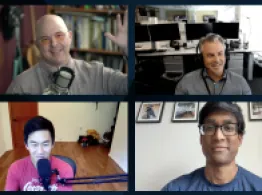
Corgi ETFs has burst onto the scene as a scrappy, in-house-everything challenger in the ETF world. Ed Rumell, Director and Head of Distribution ETFs at Corgi, grabbed some time with ETF.com’s Dave Nadig at the 2026 ICI ETF Conference to explain how they're pulling it off. Born out of a San Francisco AI insurance startup, Corgi built its own trusts, trading desk, and legal team rather than white-labeling like most new issuers do. It was a deliberate bet that keeping everything under one roof would translate to lower costs and higher margins. That efficiency is showing up fast: their buffer ETF lineup is undercutting big names at just 30 basis points, while a thematic photonics fund (EUV) pulled in half a billion dollars in under three weeks.
Where the human sales team spends its energy tells the real story, with nine reps cold-calling advisors, all focused on pushing the buffer ETFs. Meanwhile, retail investors are left to find the flashy 2x thematic funds organically through Reddit and social media. Rumell leans hard on partners like GTS to handle the options and swaps complexity that skeptics worry a young firm might not have the chops for, insisting the in-house trading talent is as sharp as any legacy shop's. Platforms are reportedly now approaching Corgi instead of the other way around, a rare reversal for a new issuer trying to get onto advisor platforms.
The ambition doesn't stop at buffers and thematics, with Corgi recently launching fixed income ETFs and wanting to eventually be a full one-stop shop for advisor model portfolios that includes core and satellite offerings. Their scrappy, meme-friendly brand (yes, that corgi logo is everywhere) is doing double duty as marketing and trust-building in an industry that's naturally skeptical of unproven newcomers. The pitch is a simple one: cheaper products, built entirely in-house, should win on cost alone. After all, why pay more when you don't have to?