
How to Get Your Clients Over the Alternatives Hurdle
While more investors are beginning to embrace alternatives, there’s still a large percentage of clients that are reluctant to make the leap. Simplify’s Nardini talks about overcoming reticence and the real diversification benefits to alts in a portfolio.

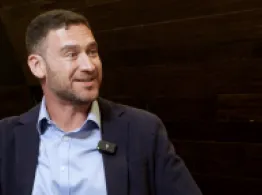
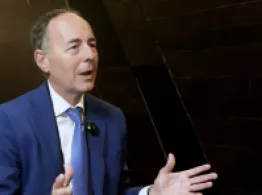
At the Basis Northwest conference, Paisley Nardini, Managing Director & Head of Multi-Asset Soltuions at Simplify Asset Management, spoke candidly with ETF.com’s Dave Nadig about the growing urgency of true portfolio diversification in today's volatile market environment. With advisors navigating sticky inflation, slowing growth, and ongoing geopolitical uncertainty, Nardini argued that the traditional 60/40 stock-and-bond portfolio is no longer sufficient. The painful lesson of 2022, when both stocks and bonds declined simultaneously, was reinforced again in the first quarter of 2026, when managed futures, long/short strategies, and commodities like gold and silver held up while equities and fixed income faltered.
In today’s markets, there’s a real need to move beyond the familiar and explore true alternative sources of return that are dislocated from economic growth risk, such as commodities, infrastructure, and trend-following strategies. However, Nardini is the first to acknowledge that there’s a practical challenge of getting advisors and their clients comfortable with alternatives. Strategies involving long/short positioning, futures contracts, and embedded leverage carry an inherent educational gap, but the growing presence of major asset managers like BlackRock, State Street, and Invesco in this space has helped legitimize these approaches.
As it turns out, the most persuasive tool is a behavioral one: pointing to a line item in a client's statement that was up 8–10% during a quarter when everything else was down. That tangible proof point, Nardini argues, is what moves people from skepticism to conviction. As with any new strategy, a gradual, disciplined approach to entry rather than making large upfront commitments to unfamiliar strategies is the way to go. Critically, Nardini stressed the importance of diversifying within the alternatives sleeve itself by blending commodities, managed futures, and macro strategies to avoid over-concentration in any single manager or approach. Her parting principle summed it up cleanly: "Diversify your diversified."