



Behind the Ticker: AVRY and Avory & Co.
In this episode of Behind the Ticker, Sean Emory of Avory & Co. dives into the firm’s actively managed, future-oriented equity strategy and their ETF that captures the thesis, the Avory Foundational ETF (AVRY).
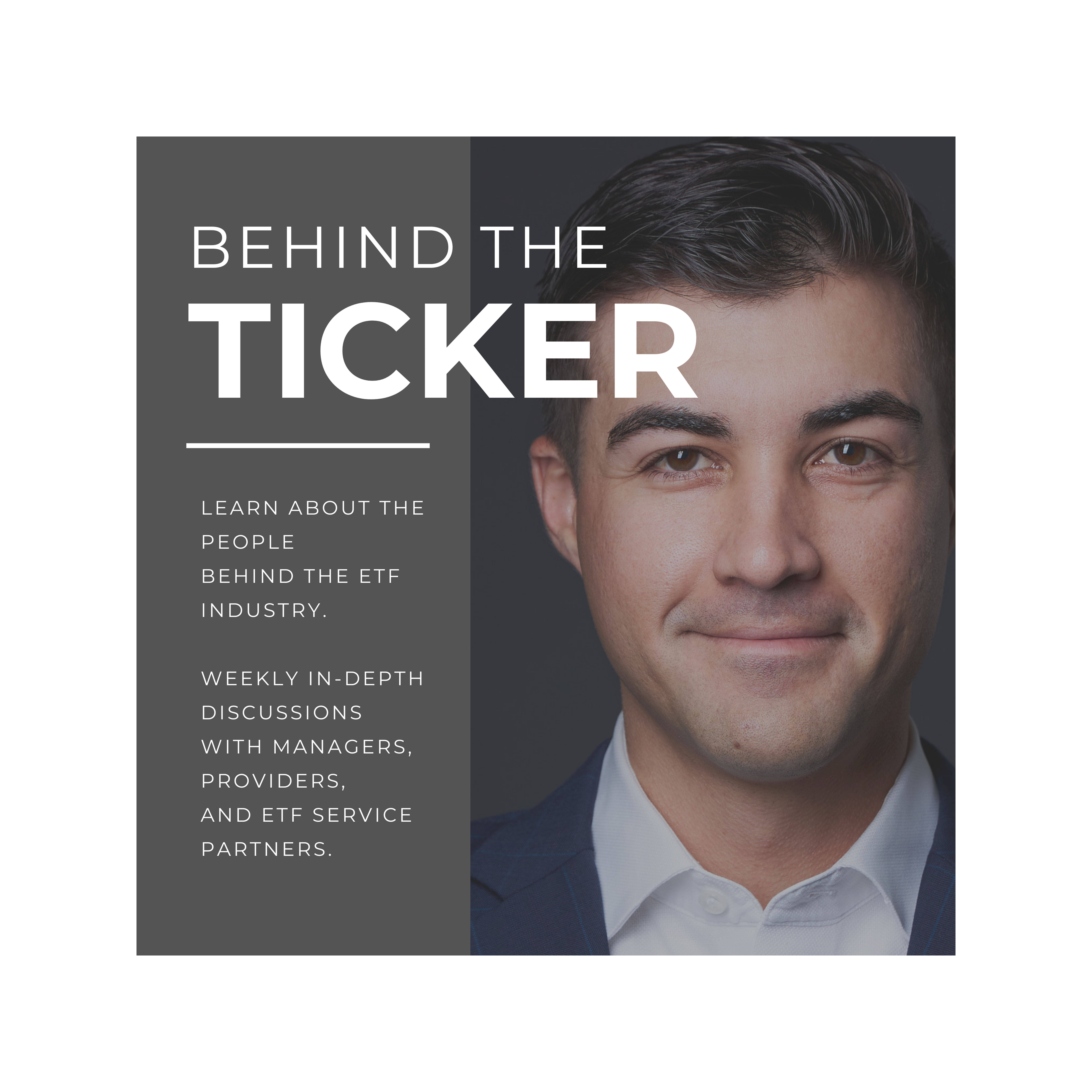
Brad Roth, CIO of Thor Financial Technologies, sits down with Sean Emory, Founder and CIO of Avory & Company, in this episode of Behind the Ticker. Emory shares the firm’s core focus — investing forward — and digs into the Avory Foundational ETF (AVRY), a high-conviction equity strategy that invests in the companies that benefit from the evolution of industries.
A Foundational Approach to Investing in the Future
Sean Emory is the founder and CIO of Avory and Company, a Miami-based investment firm he started in 2016 that is now hitting its 10-year mark. He moved into a small-cap equity analyst role at a hedge fund shortly after graduating college before joining a larger organization in Miami that spanned private real estate, wealth management, asset management, and investment banking. He eventually rose to head the capital markets and asset management side of that firm as director of research and chief investment officer, where he launched a concentrated equity strategy — the intellectual foundation for everything Avory does today.
Avory and Company's identity is built around a phrase Emory uses internally: investing forward. The mission is to step back, identify where the world is directionally headed, find the friction points that create investable opportunities, and then work backwards to find the companies and management teams positioned to benefit. The firm runs highest-conviction ideas in an SMA and recently translated that same process into a publicly accessible ETF — the Avory Foundational ETF (AVRY) — launched in January 2025.
The name "foundational" was deliberate and layered. At the top level, Avory looks for industries that are foundational to the future in categories like automation, mobility, identity, and future of health and education where secular tailwinds are structural rather than cyclical. Within those industries, they look for companies that are foundational to the category itself, meaning leaders or dominant incumbents. And at the management level, they specifically seek founder-led teams, or operators who have been with the company from close to its inception.
The portfolio holds 20 to 30 names, which Emory positions as the right balance between conviction and diversification for something he wants advisors to use as a core equity holding rather than a satellite. Stock selection runs through the firm’s six M’s, with weightings that are valuation-driven at rebalance. The fund can also raise significant cash, not as a technical market-timing mechanism, but as a fundamental one: if Emory and his team can only find 12 names they're truly comfortable with at current prices, the remaining allocation simply sits in cash until better opportunities appear.
AVRY segments its opportunity set into two buckets. The first is structural secular winners — companies in categories where the adoption curve is genuinely early. The second bucket is established businesses undergoing transformation — incumbents sitting in a shifting category that have the balance sheet, leadership, and ecosystem entrenchment to execute a pivot before the ground fully moves. The key filters for distinguishing a real transformation from a good story are balance sheet strength, leadership willingness to act, and enough entrenchment in the existing ecosystem to buy time for execution.
For advisor positioning, Emory believes AVRY belongs in the core equity allocation alongside large-cap exposure, not as a satellite, and makes the case that some of the fund's smaller holdings — companies at $2-6 billion market caps with no debt, strong cash positions, and category leadership, sometimes in duopolies — are more dominant within their ecosystems than companies with ten times the market cap. He makes the point that at that scale, they don't attract Microsoft as a competitor, which is its own kind of moat.
You can learn more about Avory at their website or follow along with their podcast on YouTube.
Disclaimer: The market insights, projections, and investment strategies expressed in this article are solely those of the contributor and do not necessarily reflect the views or opinions of ETF.com. This content is provided for informational purposes only and does not constitute financial, investment, or legal advice.


