Keith Fitz-Gerald Says Diversification is Broken: His 4% Fix
45 years in markets taught Keith Fitz-Gerald that diversification is broken. Discover the research behind his concentrated Must Have Portfolio ETF, FITZ and how 4% of stocks create all the wealth.
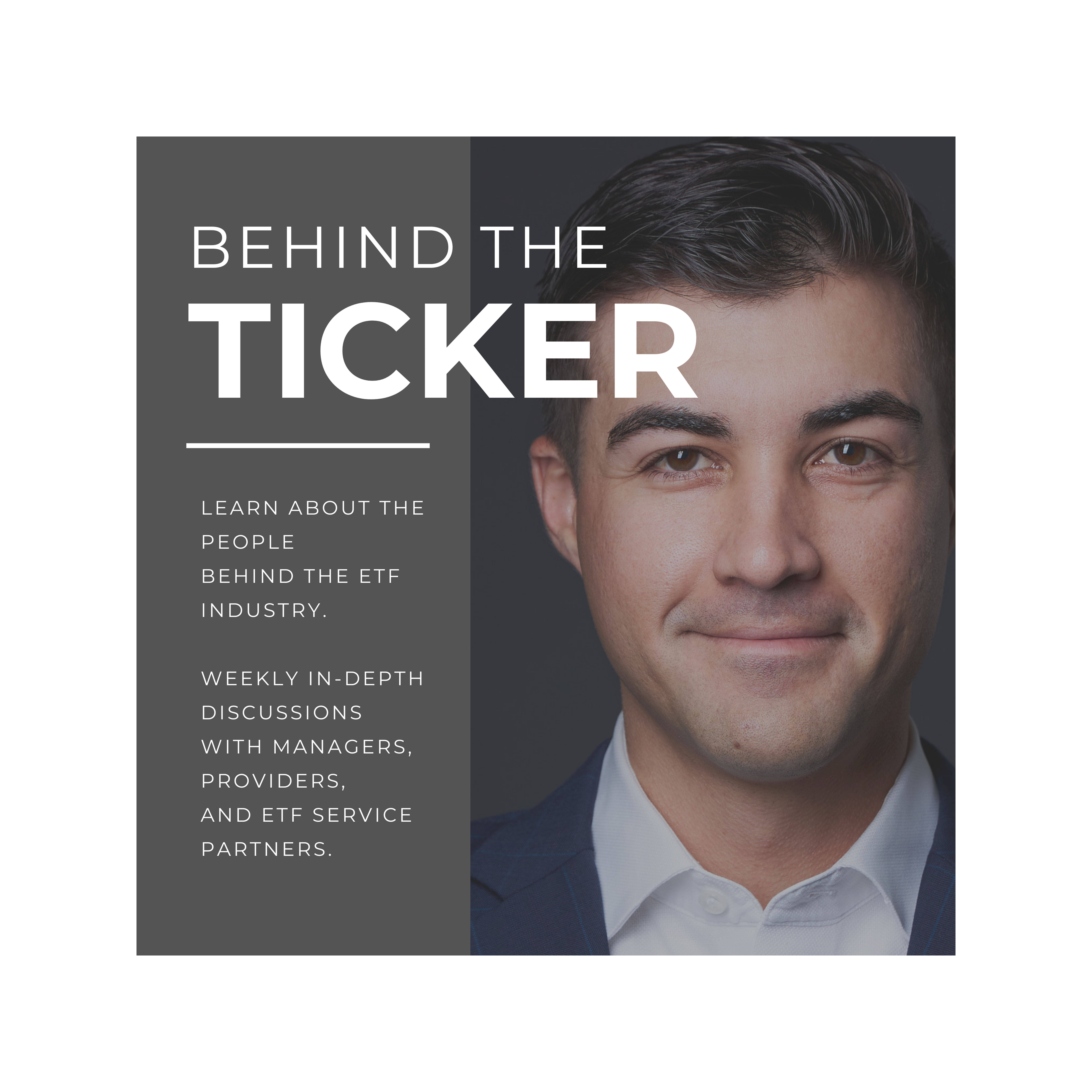

In this episode of Behind the Ticker, Brad Roth, CIO of Thor Financial Technologies, sits down with Keith Fitz-Gerald, principal of Keith Fitz-Gerald Research and creator of One Bar Ahead research services. Their discussion covers why diversification can actually hurt long-term return potential, the importance of digitalization, and digs into the Fitz-Gerald Must Have Portfolio ETF (FITZ).
You can also listen to this episode on any of your preferred streaming platforms. Prefer to watch the conversation instead? You can do that here or on our YouTube channel.
Episode Highlights
- Keith Fitz-Gerald's background and path into investing: Fitz-Gerald shares his investing journey that dates back to a childhood lawn-mowing business, his first trades at 15, and formative lessons from his self-taught investor grandmother. He describes decades of grinding through mistakes at Wilshire Associates before eventually building One Bar Ahead into a widely read newsletter through word of mouth alone, with no advertising ever sent.
- The "4% research" behind his investment philosophy: Fitz-Gerald's core thesis, developed over more than two decades, is that roughly 4% of publicly listed U.S. companies have driven essentially all the wealth created in the stock market over the last 100 years. He argues this makes traditional diversification counterproductive, since spreading investments across hundreds of names dilutes exposure to the small set of companies that actually generate returns.
- How FITZ is structured and selects companies: The Fitz-Gerald Must Have Portfolio ETF (FITZ) is a concentrated, actively managed fund of 20 to 30 companies, sub-advised by Nicholas Wealth, built around a 5D framework with digitalization as the dominant theme. Selection focuses on must-have companies with no easy substitute, strong balance sheets, and visionary leadership, while a disciplined rebalancing schedule (three times a year instead of quarterly) is designed to avoid liquidity drag from herd trading.
- Portfolio positioning, exit discipline, and early performance: Fitz-Gerald explains that FITZ is intended to serve as a core equity holding rather than a satellite position, potentially replacing the equity portion of a traditional 60/40 portfolio. He also details the fund's exit triggers, such as Intel's dividend cut, and points to early performance data, such as a recent day when FITZ fell far less than the S&P 500, as validation despite launching near a market peak.
You can learn more about Keith Fitz-Gerald here, as well as One Bar Ahead, and the FITZ ETF via Nicholas X.
Disclaimer: The market insights, projections, and investment strategies expressed in this article are solely those of the contributor and do not necessarily reflect the views or opinions of ETF.com. This content is provided for informational purposes only and does not constitute financial, investment, or legal advice.