
There’s a Tax-Efficient Revolution Happening in Alts ETFs
In a world of sophisticated alternatives, the transition from a private hedge fund to an ETF wrapper isn’t just about lower fees; it's about a fundamental shift in after-tax returns. Tune into this discussion from the ETF Beach House at Future Proof Citywide to hear the latest evolutions happening in the alts ETF space around tax-efficient investing and reducing tax drag from the issuer as well as the allocator side of the coin.

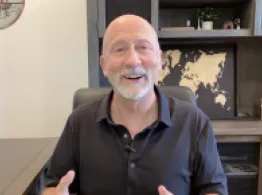
For years, advisors avoided black box quantitative strategies not just because they were hard to explain, but because they were tax nightmares. Traditional hedge funds often generate high levels of short-term capital gains, which are passed through to investors via K-1s, eating away a massive chunk of the realized alpha. This discussion from the ETF Beach House at Future Proof Citywide between Andrew Beer, Managing Member of DBi and Steve Curley, CFA, CFP, Founder/Co-Managing Principal of 55 North Private Wealth, moderated by Brent Sullivan, editor of Tax Alpha Insider, touches on how off-the-shelf ETFs are driving innovation, and evolving ways that advisors and issuers are finding to address the tax burden of increasingly complex strategies that can now fit in a variety of client portfolios.
The reality is that modern wealth managers are increasingly moving toward sophisticated strategies like managed futures or long-short overlays, not just in search of alpha and diversification, but because of the access that modern structures and strategies provide. Curley notes that historically, these strategies were reserved for private placements, and for an advisor, they created a double-edged sword. You had the potential for high returns, but you also had high administrative friction and high tax liability for your clients. By shifting these strategies into an ETF wrapper, as discussed by Beer, you’re not just changing the vehicle; you’re changing the potential after-tax outcome for the end client.
ETFs aren’t a magic tax solution, however, and the structural tax benefits mean virtually nothing when it comes to certain types of investments, such as futures. This conversation covers ways that allocators are evolving to address the tax drag, and innovations happening that advisors don’t want to miss, including how AI can help to build a bridge towards better communication about complex strategies. As Steve Curley and Andrew Beer wrap up, the message to advisors is clear: The black box fear is being replaced by the confidence of the AI tutor (and like any student knows, always check the work). By leveraging AI to understand and communicate the tax-advantaged nature of modern ETFs, you aren't just making a call on a strategy—you’re providing a more sophisticated, more efficient, and potentially more profitable experience for your clients.