The VIX Isn’t Broken, It’s Just Being Outplayed
Whether it's macro complexity, divergent market performance, or investor uncertainty, any way you slice it, the recipe for volatility is baked in. So why isn’t the VIX reflecting that? “Vixologist” Jim Carroll reveals the truth behind why markets feel much more volatile than the measurements.

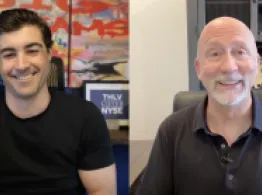
Despite sharp swings and persistent market volatility, the VIX remains relatively subdued compared to expectations. Jim Carroll, renowned “Vixologist” and Senior Wealth Advisor at Ballast Rock Private Wealth, sat down at Basis Northwest with Dave Nadig, President & Director of Research at ETF.com to shed light on the reality of market volatility.
A Plethora of Volatility Dampening Factors at Play
Markets have felt chaotic lately, yet the VIX keeps sitting relatively quietly in the high teens. According to Jim Carroll, Senior Wealth Advisor and Portfolio Manager at Ballast Rock Private Wealth, the VIX itself isn't the problem. The real issue is that options flows have shifted dramatically toward short-dated, even zero-day-to-expiration (0DTE) trades. Traders can now surgically target a specific event, like a Fed announcement or CPI print, rather than buying broad 30-day protection. That hedging activity simply doesn't register in the VIX the way it once did, making the index look calm even when the underlying anxiety in the market is very real.
Compounding this is what Carroll calls the dampening effect of market maker positioning. Right now, dealers are largely sitting in long-gamma positions, which mechanically forces them to sell into rallies and buy into dips, thereby absorbing volatility before it can fully develop. The result is a market that looks coiled but refuses to move. Carroll notes this compression is measurable in Bollinger Bands, Keltner Channels, and average true ranges, all historically tight. It can last longer than investors expect, but the quiet periods do end, and there are usually breadcrumbs beforehand for those paying attention.
The explosion of income-focused ETFs like covered call strategies, buffered products, and defined-outcome funds has added yet another structural layer. These products systematically sell options at enormous scale, and every one of those trades has a market maker on the other side managing the resulting exposure. Carroll is candid that aggregating all of this into a coherent picture is genuinely difficult, but the takeaway is clear: reading volatility today requires understanding the entire ecosystem, not just checking the VIX each morning.
The most sobering point Carroll makes is about who's actually on the other side of the market in a crisis. The major high-frequency market makers, such as Citadel, Susquehanna, and their peers, provide liquidity as long as it's economically rational for them to do so. The moment it isn't, they're gone, with no announcement and no warning. The long-gamma cushion, the dampening effect, the structural resilience, all of it evaporates exactly when you need it most. Carroll's advice: watch price action, follow the breadcrumbs, and never mistake the calm for permanence.
Discover the news, data, and voices shaping the ETF community. Follow along here.